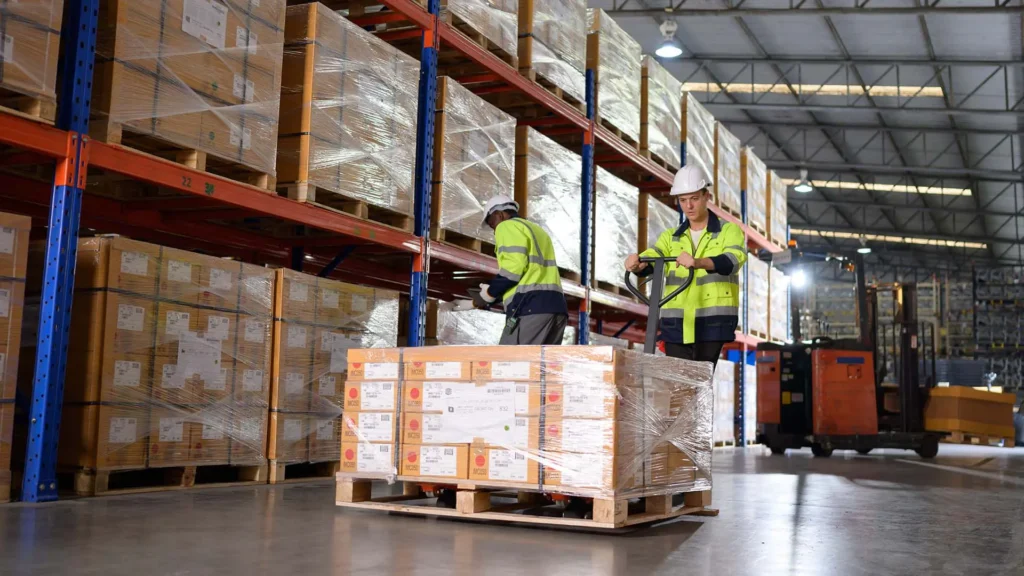
A lot of logistics problems start with the information, not the truck. The warehouse sees stock available, but the order system shows something else. Customer service tells the customer the shipment is moving, but transportation has not even booked the load. Nobody is trying to cause a problem. The teams are simply working from different updates.
Good integrated logistics keeps that information lined up. Without it, people spend more time calling around, checking spreadsheets, and trying to work out which update is right. That may carry the operation for a while. Once volume picks up, the gaps begin turning into late shipments, inventory errors, higher freight costs, and unhappy customers.
What Is Integrated Logistics and Why Does It Matter?
When business owners ask what integrated logistics is, they usually want a simple answer. It means the order, inventory, warehouse, transportation, and partner systems share the information each team needs. The warehouse sees what to pick. Transportation knows what needs to move. Customer service can check the shipment without calling several people first.
When those systems do not connect, employees have to hold everything together by hand. Someone checks a spreadsheet. Another person calls the warehouse. Transportation waits for a new shipment detail. Customer service follows up again before replying to the customer.
Many companies begin looking at an integrated logistics management system when emails, calls, spreadsheets, and manual updates become too hard to manage. The purpose is not to add technology just to look more advanced. It is to keep the right information moving so the operation does not slow down.
Integration Gaps That Break Logistics Operations
Integration gaps rarely look serious at first. Most of the time, they look like normal daily work.
Someone builds a quick spreadsheet, checks stock by hand, messages the warehouse, or runs a second report because the first one does not feel reliable. Before long, the workaround becomes part of the process.
1. Disconnected Data and Systems
The warehouse may have one update while the customer portal shows another. Transportation may be working from old shipment details, while customer service is still trying to find the latest answer.
Freight may continue moving, but every load takes more effort than it should. Teams spend time checking inventory, confirming shipment status, and fixing small mistakes. Across hundreds of shipments, those extra checks turn into real labor costs and slower execution.
Better logistics system integration helps reduce that extra work. The order does not have to be checked in several places, and fewer updates have to be copied by hand.
2. Poor Visibility Across the Supply Chain
A visibility problem often shows up in a simple way. Someone asks, “Where is this order?” Then the room gets quiet. Customer service checks one screen, while operations checks another.
The carrier update is late. The warehouse says the order has left, but the system still shows it sitting at the facility. At that point, the issue is no longer only reporting. The team has stopped trusting the system.
Once that happens, people build their own spreadsheets, reports, and checks. Every extra version creates another chance for a mistake. Most operations teams are not asking for more reports. They want better supply chain visibility and information they can trust. If inventory says 500 units are available, the number needs to be right. If a shipment is delayed, the team needs to know before the customer does.
McKinsey’s 2024 supply chain research also found that visibility and planning remained major priorities as companies continued dealing with disruption.
3. Integration With E-Commerce Systems Lags Behind
The challenge of how to integrate supply chain logistics with e-commerce systems usually becomes clear behind the scenes.
A customer may receive a shipping email before the warehouse has released the order. On a normal day, someone may catch it and fix it. When orders pile up, the same issue can lead to backorders, duplicate labels, held orders, or a rushed freight decision. The website, inventory system, warehouse, and transportation team do not always receive the same update at the same time. An order may come through without a proper stock check, pick ticket, or shipping label.
Someone then has to stop, check the details, and push the order through by hand. When volume is high, those extra steps create more room for missed orders and shipping mistakes. Good e-commerce logistics integration helps the customer-facing order system stay closer to what is actually happening in inventory, the warehouse, and transportation.
4. Legacy Systems and Technical Debt
A lot of older systems are still being used because they can handle the basic job. The problem is that the basics are not always enough anymore. The system may store the order but struggle with live inventory, carrier updates, customer portals, or stock spread across several locations.
The team usually finds a way around it. They export another file, upload the same information somewhere else, or build a manual report to fill the gap. After a while, those extra steps become part of the daily routine. This is often where integrated logistics begins to break down. The technology may still run, but the operation depends more and more on people moving information between systems.
5. Internal Resistance and Organizational Silos
The warehouse, transportation, sales, and finance teams may all be working hard without working from the same plan. Sales may promise fast delivery. Transportation is trying to control freight costs. The warehouse is protecting picking and shipping accuracy, while finance wants to understand the extra charges. Each team has a valid concern.
The problem starts when no one owns the full flow. Strong integrated logistics management gives those teams the same operating picture. It helps leadership see where one decision affects the whole organization instead of only one department.
6. Incomplete Integration With Partners
The operation does not stop inside the building. Carriers, suppliers, brokers, 3PLs, and customers all touch the shipment in some way.
If partner updates are slow or inconsistent, the internal team ends up filling the gap manually. That can lead to delayed customs paperwork, missed pickup details, late carrier updates, or unclear delivery status.
For companies moving freight across plants, warehouses, regions, and customer sites, partner integration directly affects service quality. The shipment is only as clear as the information passed between everyone involved.
The Real Costs of Broken Integration
Integration problems do not stay inside one department. They eventually show up in labor costs, freight spend, inventory, delivery performance, and customer service.
Strong integrated logistics helps the business catch those issues earlier. Without it, the cost often appears after the order has already been delayed or the customer has already been affected.
Increased Operating Costs
Manual processing costs more than it first appears. People end up checking the same reports, typing shipment details again, fixing labels, and double-checking inventory. All of that takes time.
Bad information can also mean rebooking a load, paying for expedited freight, handling the shipment twice, or finding out that inventory is sitting in the wrong place.
Slower Delivery and Poor Customer Experience
Customers expect the delivery date, tracking update, and actual shipment status to match. A customer may forgive a delay. It is harder to rebuild trust when the shipment is late, and nobody can give a clear answer about what happened.
Better shipment visibility helps the team communicate earlier, especially when a delivery date changes or a carrier reports a problem.
Lost Revenue and Competitive Drift
Integration problems can slowly affect future revenue. An order ships late, the customer receives the wrong update, or sales has to step in and repair the relationship. The business may also pay for expedited freight just to protect a delivery date that should have been manageable from the beginning.
Sifted asked 500 U.S. consumers about their delivery experience in 2025. More than 40% said they had stopped buying from a brand after a bad delivery or packaging experience.
One bad shipment may not lose the customer right away. But when the same problem keeps happening, trust drops, and another company starts to look like the safer choice.
Increased Stockouts and Overstocking
When inventory systems do not stay in sync, teams can order too little, too much, or too late.
The result may be a stockout on one item while another keeps taking up warehouse space. During peak volume, those inventory errors become harder and more expensive to correct.
Teams may then place rush orders, carry more safety stock than they need, or promise inventory that is not actually ready to ship.
Conclusion
As the business grows, logistics get harder to hold together. There are more orders coming in, more carrier updates to track, and more chances for something to get missed. When systems do not line up, the team ends up covering the gaps. People check the same details again, chase updates, fix small mistakes, and try to work out which version is right.
Good integrated logistics take some of that pressure off. It gives the team a clearer view of what is moving, what is late, and where the process is starting to slip. InstiCo Logistics helps businesses find those weak spots, reduce manual work, and make ownership clearer across the operation.
If the same shipment problems keep coming back, the process may need a closer look. InstiCo can help clean up the gaps and build a smoother operating flow for the next stage of growth.
FAQs
What documents are required for air freight shipping?
The most critical document is the Air Waybill (AWB), which acts as a receipt and a contract. You will also need a Commercial Invoice, a Packing List, and potentially a Certificate of Origin depending on the destination.
Is air freight suitable for perishable or fragile goods?
Yes, it is the preferred method for these items. The shorter transit time reduces the risk of spoilage for perishables, and the reduced handling compared to sea shipping makes it safer for fragile items.
Is air freight more expensive than sea or road shipping?
Generally, yes. Air freight charges are higher because of fuel costs and the limited capacity of aircraft. However, you can often save money on insurance and warehousing, which offsets some of the initial costs.
What is the difference between air cargo and air courier services?
Air courier is typically “door-to-door” and handles smaller parcels with all-in-one pricing. Air cargo is usually “airport-to-airport” for larger shipments and requires a freight forwarder to manage the “last mile” and customs.
Can small businesses use air freight services?
Absolutely. Many small businesses use air freight to maintain low inventory levels and respond quickly to customer demand without needing a massive warehouse.