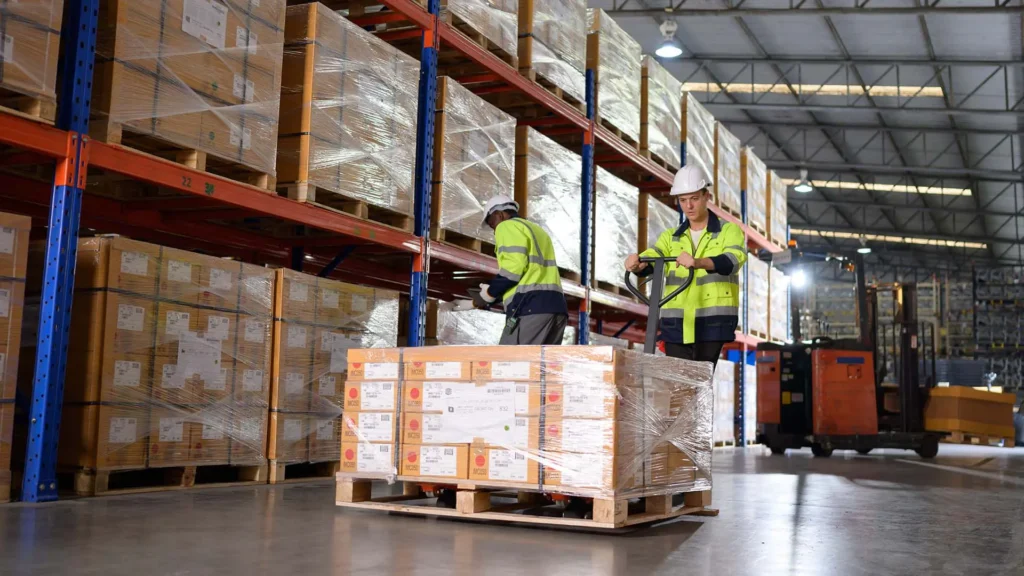
A smaller load going from Texas to Monterrey may not seem difficult. It could be two pallets instead of a full trailer. Still, the freight has to clear customs, pass through the border process, move between carriers, and reach the right dock in Mexico.
That leaves more room for something small to hold up the load. With cross-border LTL, it may be a product description that does not tell the broker enough. It may be a document sent too late or a delivery appointment nobody checked.
A checklist helps catch those problems before the truck pulls away from the Texas dock. It also gives everyone involved in shipping to Monterrey the same details to work from.
Why Cross-Border LTL Needs More Planning
The distance from Texas to Monterrey is not usually the hardest part. The handoffs are. One shipment may involve the shipper, freight provider, customs broker, border transfer team, Mexico-side carrier, and receiver. When each group has a different version of the shipment details, the load can stop moving.
The carrier may have one delivery address while the commercial invoice shows another. The invoice may list the goods as “parts,” but the broker needs to know what kind of parts they are. The receiver may have limited dock hours, but that information never reaches the final carrier.
These may look like small mistakes. Once the freight is moving, it can lead to:
- Missed delivery appointments
- Storage or re-delivery charges
- Delayed production
- Inventory shortages
- Hours spent looking for updates
Even a few pallets are moving through a busy freight network.

Texas and Mexico move a large amount of freight every day. The Bureau of Transportation Statistics reported $872.8 billion in freight trade between the U.S. and Mexico in 2025, with trucks carrying 73.6% of that value. Even a small LTL shipment is moving through a very busy freight network.
Reliable cross-border LTL freight services help organize the shipment before it reaches the border, rather than stepping in only after a problem appears.
Step 1: Check the Freight Details Before Pickup
A cross-border shipment starts before the truck arrives.
Before booking cross-border LTL freight, review the information that the carrier, broker, and receiver will use:
- Pallet count
- Weight and dimensions
- Commodity description
- Declared value
- Packaging type
- HS code, when available
- Country of origin
- Hazmat status, if applicable
- Pickup and delivery contacts
Pay close attention to the product description. Terms such as “equipment,” “materials,” or “parts” may not give the broker enough information. The description should explain what the goods actually are.
It should also match across the commercial invoice, bill of lading, packing list, and broker instructions. When one document says something different, the issue may not appear until the freight is already near the border. This matters in cross-border LTL pallet shipping because the pallets may be moving through consolidation terminals with freight from other companies. An incomplete file can lead to extra handling or leave the shipment sitting while someone looks for an answer.
Step 2: Prepare the Documents Early
Paperwork is one of the most common places to lose time in freight shipping Texas to Mexico. A domestic LTL shipment may move with a basic bill of lading, but cross-border freight needs more review.
The International Trade Administration explains that commercial imports into Mexico require a customs declaration. The shipment may also need a commercial invoice in Spanish, a bill of lading, and other documents based on the product and compliance requirements.
The shipment file may include:
- Commercial invoice
- Bill of lading
- Packing list
- Importer and exporter details
- Product description
- Declared value
- Country of origin
- USMCA certification, when used
- Broker instructions
- Mexico delivery information
Do not wait until pickup day to put these documents together. Send them to the broker early enough for a proper review.
Do not assume a product qualifies for USMCA treatment just because it is moving between the United States and Mexico. The origin rules still apply, and the supporting information needs to be in the shipment file.
Most document problems are easier to fix before pickup. Once the freight is moving, even a small correction may involve the shipper, broker, carrier, and importer.
Step 3: Bring the Customs Broker In Early
Some shippers book the carrier first and contact the customs broker once the pickup is confirmed. That may save a little time at the beginning, but it leaves less room to solve a problem later. A broker working with cross-border LTL needs time to review the shipment before dispatch. They may need to confirm the importer, product description, origin, value, and any special requirements connected to the goods.
Before pickup, ask:
- Has the broker received the full document set?
- Is the importer information correct?
- Who will pay duties and taxes?
- Does the product need a special permit?
- Are the descriptions clear enough for entry?
- Who will answer questions during clearance?
A dependable freight forwarder Texas to Mexico should help connect the shipper and broker early. The broker should not be seeing the shipment for the first time when the load is already sitting at a terminal.
InstiCo helps keep those details together so the freight is not held up by a missing document or an unanswered question.
Step 4: Plan the Pickup and Border Route
The shortest route on a map is not always the best route for cross-border freight. A company looking for a freight forwarder from Texas to Mexico should ask how the load will move from pickup through the final delivery, not only which road the truck will take.
Laredo is a major crossing for Texas-Mexico freight, but the right plan depends on several details:
- Texas pickup location
- Carrier terminal network
- Consolidation point
- Customs broker process
- Planned crossing
- Monterrey delivery schedule
- Holiday or border conditions
Ask where the freight will be consolidated and who will manage the border handoff. Also confirm which company will provide updates before and after the transfer. This matters even more with repeat freight shipping Texas to Mexico. A one-time load may be managed through calls and emails. Regular shipments need a standard process so the team is not rebuilding the plan every week.
Step 5: Confirm the Monterrey Delivery Details
Crossing the border is not the end of the shipment. The freight still has to reach the correct dock at the correct time. With cross-border LTL pallet shipping, final delivery can fail because of a basic detail. The contact number may be wrong. The warehouse may close before the truck arrives. The receiver may require an appointment number, identification, or special unloading equipment.
Before the Mexico-side carrier is dispatched, confirm:
- Receiver name and phone number
- Full delivery address
- Dock hours
- Appointment requirements
- Unloading equipment
- Access restrictions
- Delivery paperwork
- Proof of delivery process
Good shipping to Monterrey begins with speaking to the receiver before the load arrives. The receiver often knows about gate rules, holiday hours, dock limits, or paperwork requirements that were not included in the original order. Monterrey shipping works better when the team listens to the receiver’s answers instead of treating every location the same.
Step 6: Review Carta Porte Information
CPKC’s 2024 Carta Porte guide notes that SAT began enforcing Carta Porte requirements on January 1, 2024. It also explains that carriers need complete shipment information before transportation begins. Missing or incorrect details may lead to delays, added fees, or penalties.
The shipping team does not need to handle every legal or tax requirement on its own. It does need to provide the Mexico-side carrier or logistics partner with accurate information, including:
That may include:
- Origin and destination
- Product details
- Quantity and weight
- Packaging type
- Importer or receiver information
- Transportation details
- Customs or tax references
This is another reason cross-border LTL freight should be prepared before pickup. If the information is incomplete, the problem may only appear after the freight has crossed or is ready for Mexico-side dispatch. Experienced cross-border LTL freight services build this review into the original shipment setup. They do not wait until the last moment to ask for details that were available days earlier.
Step 7: Track Each Handoff
Knowing the truck’s location is useful, but it does not show whether the documents are approved or whether the next carrier is ready.
For cross-border LTL carriers, tracking should cover the shipment stages:
- Pickup completed
- Freight received at the terminal
- Documents sent to the broker
- Broker review completed
- Freight arrived at the border
- Customs status updated
- Border transfer completed
- Mexico carrier dispatched
- Appointment confirmed
- Proof of delivery received
This gives the operations team a better view of what is happening. They can see whether the load is moving, waiting for clearance, or sitting between carriers. Good cross-border LTL carriers also make ownership clear. Someone should be responsible for each update. The shipment should not disappear between the U.S. carrier, customs broker, border team, and Mexico-side provider while everyone assumes another company is following it.
Step 8: Have a Delay Plan
Cross-border shipments have more points where a question or delay can come up. A basic delay plan keeps the team from starting from zero each time.
Decide in advance:
- Who contacts the customs broker?
- Who approves extra charges?
- Who updates the customer?
- Who calls the receiver?
- Who follows up with the carrier?
- Who reviews the load after delivery?
This becomes important as shipment volume grows. One employee may be able to manage a few loads through email. That gets harder when several shipments are moving, and each one has different documents, carriers, and delivery rules. Monterrey shipping also depends on listening to answers as the load moves. A change in the delivery appointment or paperwork can affect the rest of the plan. Those updates need to reach the right person quickly.
InstiCo helps shippers put more order around these handoffs. The point is not to add more work. It is to stop a small issue from turning into an expensive one.
Final Cross-Border LTL Checklist
Before the Texas-to-Monterrey shipment leaves, confirm:
- Pallet count, weight, and dimensions
- Documents show matching information
- Product description is clear
- HS code and origin are reviewed
- Importer and broker details are correct
- USMCA eligibility is confirmed
- Documents were sent before pickup
- Border crossing and handoff are known
- Delivery contact and dock hours are correct
- Appointment and unloading rules are confirmed
- Carta Porte data is available
- Each shipment stage will be tracked
- Proof of delivery will be collected
A repeatable checklist makes it easier to spot the same issue before it happens again. It also gives the team a clearer way to compare carriers, review added costs, and see where shipments are losing time.
Conclusion
A smooth cross-border LTL shipment does not begin at the border. It begins before pickup, when the documents, broker instructions, carrier plan, and Monterrey delivery details can still be checked without holding up a truck. For companies moving freight from Texas into Mexico, better preparation protects delivery dates, inventory plans, customer commitments, and internal time.
InstiCo helps shippers organize the move from document review through final delivery. When every handoff has the right information and a clear owner, cross-border freight is easier to manage. Need support with your next Texas-to-Monterrey load? Contact InstiCo to prepare the shipment, coordinate the handoffs, and keep the freight moving with fewer delays.
FAQs
What documents are required for air freight shipping?
The most critical document is the Air Waybill (AWB), which acts as a receipt and a contract. You will also need a Commercial Invoice, a Packing List, and potentially a Certificate of Origin depending on the destination.
Is air freight suitable for perishable or fragile goods?
Yes, it is the preferred method for these items. The shorter transit time reduces the risk of spoilage for perishables, and the reduced handling compared to sea shipping makes it safer for fragile items.
Is air freight more expensive than sea or road shipping?
Generally, yes. Air freight charges are higher because of fuel costs and the limited capacity of aircraft. However, you can often save money on insurance and warehousing, which offsets some of the initial costs.
What is the difference between air cargo and air courier services?
Air courier is typically “door-to-door” and handles smaller parcels with all-in-one pricing. Air cargo is usually “airport-to-airport” for larger shipments and requires a freight forwarder to manage the “last mile” and customs.
Can small businesses use air freight services?
Absolutely. Many small businesses use air freight to maintain low inventory levels and respond quickly to customer demand without needing a massive warehouse.