Patience is a luxury many businesses cannot afford in today’s high-speed world of commerce. When a high-value electronics shipment needs to get from Shanghai to Chicago, or a lifesaving pharmaceutical batch needs to reach a hospital across the continent, waiting weeks for a container ship simply isn’t an option.
This is where air freight shipping comes into the picture as the hero of the global supply chain.
For those who aren’t familiar with logistics, some of these terms may seem confusing. So, this guide will try to explain some important concepts in layman’s terms that will make it easier for you to understand what air freight is, how it works and how to easily navigate the costs of air freight.
Understanding Air Freight Shipping
At the simplest level, air freight is simply goods that are transported by air. In contrast to ‘air mail,’ which deals primarily with small letters for consumers, air freight transportation has to do with bulk goods.
Air freight is the “premium” mode of transport. While it represents less than 1% of global trade by volume, it accounts for a staggering 33% of world trade by value, according to the International Air Transport Association (IATA), because companies typically reserve the skies for their most valuable, time-sensitive, or fragile items.
When it comes to shipping air freight, apart from paying for the plane transport, you also obtain a service that involves a reliable network of logistics that aims to be fast, reliable, and accurate, providing you with a sense of comfort when it comes to handling your shipments.
The Air Freight Shipping Process Explained
Many beginners assume that an air shipment works just like a passenger flight. While there are similarities, the backend of air freight logistics is much more complex. Here is the typical lifecycle of a shipment:
- Request & Quote: First, let the freight forwarder know what you’re shipping, how much it weighs, and where it needs to go. They’ll review the details and send you a quote for the shipment.
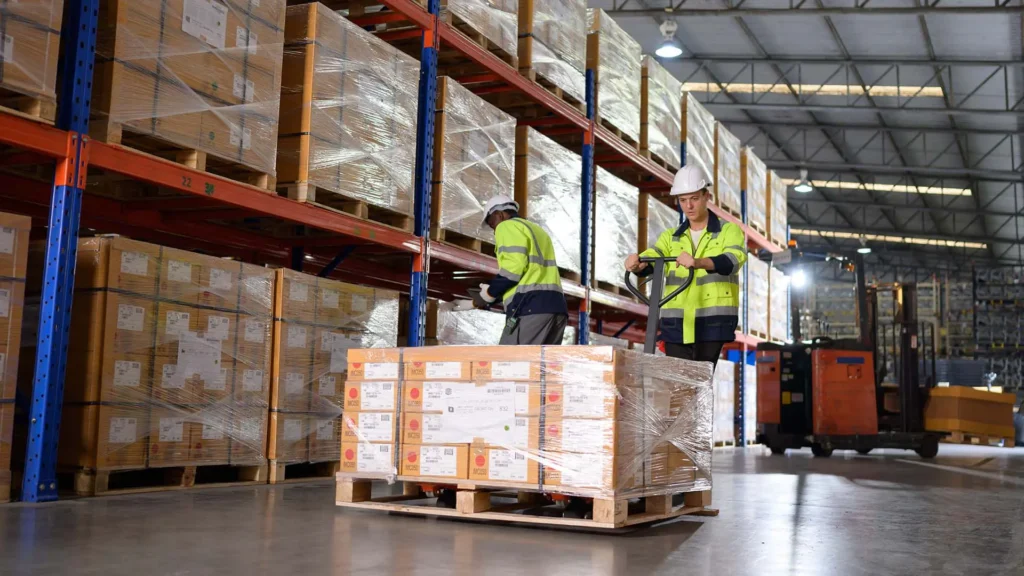
- Pick-up & Consolidation: A local carrier picks up the goods and takes them to a warehouse where they are often “consolidated” with other shipments into a Unit Load Device (ULD). Those large metal containers you see being pushed into plane bellies.
- Customs Clearance (Export): Your goods must be cleared for export by the origin country’s authorities.
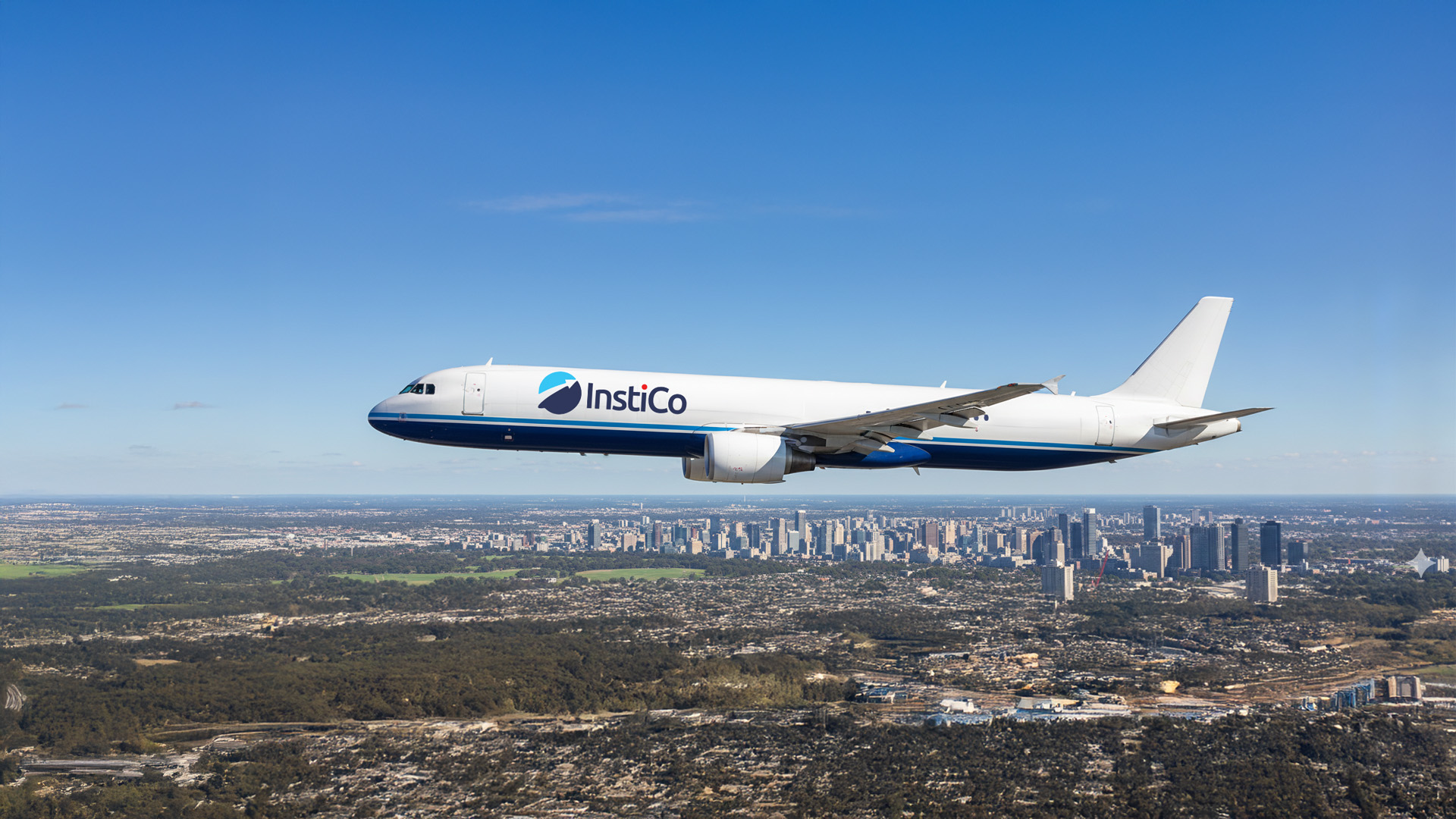
- Loading & Transit: If the cargo is to be loaded onboard a passenger aircraft, it will be loaded into the “belly” of the aircraft; if it is to be loaded into a dedicated “freighter” aircraft (which is just a cargo plane).
- Unloading & Customs (Import): goods are unloaded on arrival and the goods must go through customs in the destination country.
- Last-Mile Delivery: Finally, the products are transported from the Airport Warehouse to the end user with a truck.
Common Types of Air Cargo Services
Not all air freight trips are identical. If you choose the appropriate service level to fit your requirements and budget, you’ll feel more confident and better in control of your shipping options:
- General Cargo: Carried for normal goods, these do not require special handling.
- Special Cargo: Required for temperature, ventilation, or security, like chemicals, farm animals, and expensive jewelry.
- Charter Services: If the shipment is huge or a very urgent one, like emergency relief goods, a business may charter an entire aircraft.
What Items Are Suitable for Air Freight?
Because of the higher air freight cost, this method isn’t for every product. It is most effective for:
- Perishable Goods: There are goods that can’t be in the sea for weeks. Some fresh flowers, seafood, fruits and other perishable products are flown in to arrive at their destination before they begin to lose their quality.
- High-Value Goods: Many companies have goods that are worth thousands and even millions of dollars, which is why they choose air freight. Items like electronics, luxury items and others that take less time in transit and often pass through a more controlled shipping environment.
- Aviation: If a replacement part is late in arriving on an aircraft, an entire airplane can remain on the ground. These urgent shipments are usually transported by air to ensure that the operations are not delayed.
- Pharmaceuticals: Some medicines and vaccines require swift delivery and must be kept at a specific temperature. Air freight will certainly help to satisfy those requirements, particularly when the shipment needs to be time sensitive.
Advantages of Using Air Freight
Why do businesses choose air freight over ocean shipping? Speed is a big reason, but there are a few other benefits too.
- Faster shipping
Air freight is one of the quickest ways to move goods from one country to another. A shipment that may take weeks by sea can often arrive within a few days.
- More dependable schedules
Airlines usually follow fixed schedules and may have several flights on the same route. Delays can happen, but a business may not have to wait a full week or longer for another shipping option.
- Less risk during transit
Goods spend less time moving between locations and are usually handled in a more controlled environment. That can lower the risk of theft or damage, especially for expensive or fragile products. - Less stock sitting in storage
Faster shipping can also help businesses avoid keeping too much inventory in a warehouse. Goods can be ordered closer to the time they are needed, which can support a just-in-time way of working.
How Air Freight Pricing Works
Understanding air freight charges is where many beginners get confused. In air logistics, carriers use a concept called “Chargeable Weight.“
When shipping by air, airlines look at both the weight of your cargo and the amount of space it occupies. You’ll be charged based on whichever is higher: the actual weight of the shipment or its volumetric weight, which reflects how much room it takes up on the aircraft.
To calculate volumetric weight, use this formula:
(Length × Width × Height in cm) ÷ 6000 = Volumetric Weight (kg)
For example, a large but lightweight box may take up valuable cargo space, so the airline may charge based on its volumetric weight rather than its actual weight.
If you are shipping a heavy lead brick, you’ll be charged by actual weight. If you are shipping a giant box of cotton balls, you’ll be charged by volumetric weight because those cotton balls take up space that could have been used for other cargo. Keeping an eye on your air freight cost means optimizing your packaging to reduce “dead air.”
Is Air Freight Right for Your Shipment?
Ask yourself these three questions to determine whether or not to move your goods to the sky:
- What is the ratio of value to weight? If it is very costly but light (such as microchips), then use air.
- When do you need to submit the work? Often, air is the only choice if you must have it there in less than 10 days.
- How likely is it that the food will spoil or be stolen? If high, select air.
Statista reports that the air cargo market is expected to remain expanding due to the need to deliver e-commerce goods in time. But when fuel costs are fluctuating, it is more crucial than ever to keep your air freight logistics streamlined.
Air freight is the lifeline of global commerce, connecting companies that demand efficiency and agility. It is more expensive than sea or road transport, but offers advantages in terms of security, speed, and reliability, which can result in a much greater Return on Investment (ROI) for high-value supply chains.
The intricacies of customs procedures, chargeable weight, and flight schedules do not have to be undertaken alone. When you work with an expert, not only does your shipment make it into the air, but it makes it there efficiently and safely as well.
Take Your Logistics to New Heights with InstiCo Logistics
Looking to simplify your supply chain? From small businesses seeking their first air shipment to enterprise level who may need more complex air freight services, InstiCo Logistics is ready to assist you. Leveraging industry-leading knowledge and expertise, we deliver your goods on time, every time.
Contact InstiCo Logistics today for a custom air freight quote!
FAQs
What documents are required for an air freight shipment?
Most shipments require an Air Waybill (AWB), Commercial Invoice, Packing List, and sometimes a Certificate of Origin
Can fragile or perishable goods be shipped by air?
Yes. Air freight is ideal for perishables and fragile goods due to faster delivery and reduced handling.
Is air freight more expensive than sea or road shipping?
Generally, yes. Air freight rates are more expensive due to fuel expenses and the size of aircraft. But you can save on insurance and warehousing expenses, which helps cover some of the other costs.
Air cargo vs. air courier services: What is the difference?
Air courier service is usually “door-to-door” and offers all-in-one pricing for smaller parcels. Generally, larger shipments of air cargo are transported “airport-to-airport” and need a freight forwarder to handle the “last mile” and customs.
Can small businesses use air freight services?
Absolutely. Many small businesses have adopted air freight to have less stock and be able to deliver goods according to customer demand in a timely manner without having to own a large warehouse.